PRMS
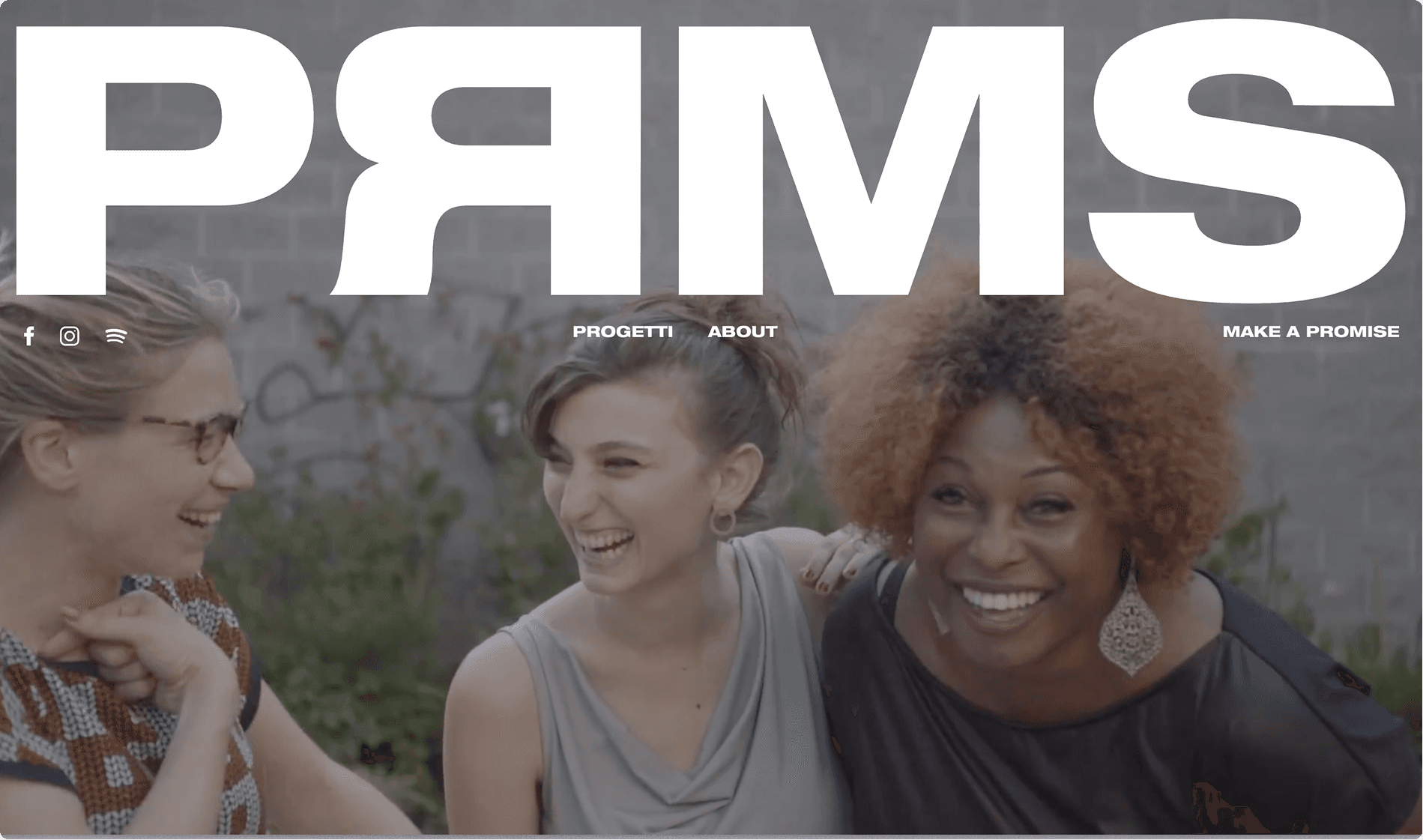
Promise is a nonprofit in Milan focused on supporting immigrant Nigerian women as they build stable, independent lives in a new country.
00
Problem
When I joined, the team consisted of the two cofounders (both lawyers), a web designer, and a community liaison working directly with participants. The vision was strong and the mission was clear, but there was no marketing function in place to help the organization grow, reach new audiences, or attract funding. The website had been designed and the tone of voice was emerging, but there was no content strategy, no social presence, no email communication, and no clear structure for telling the organization’s story. Visibility was limited, and without consistent outreach it was difficult to attract participants, partners, or financial support. The founders needed someone to take ownership of marketing from the ground up to bring clarity, consistency, and direction.
Solution
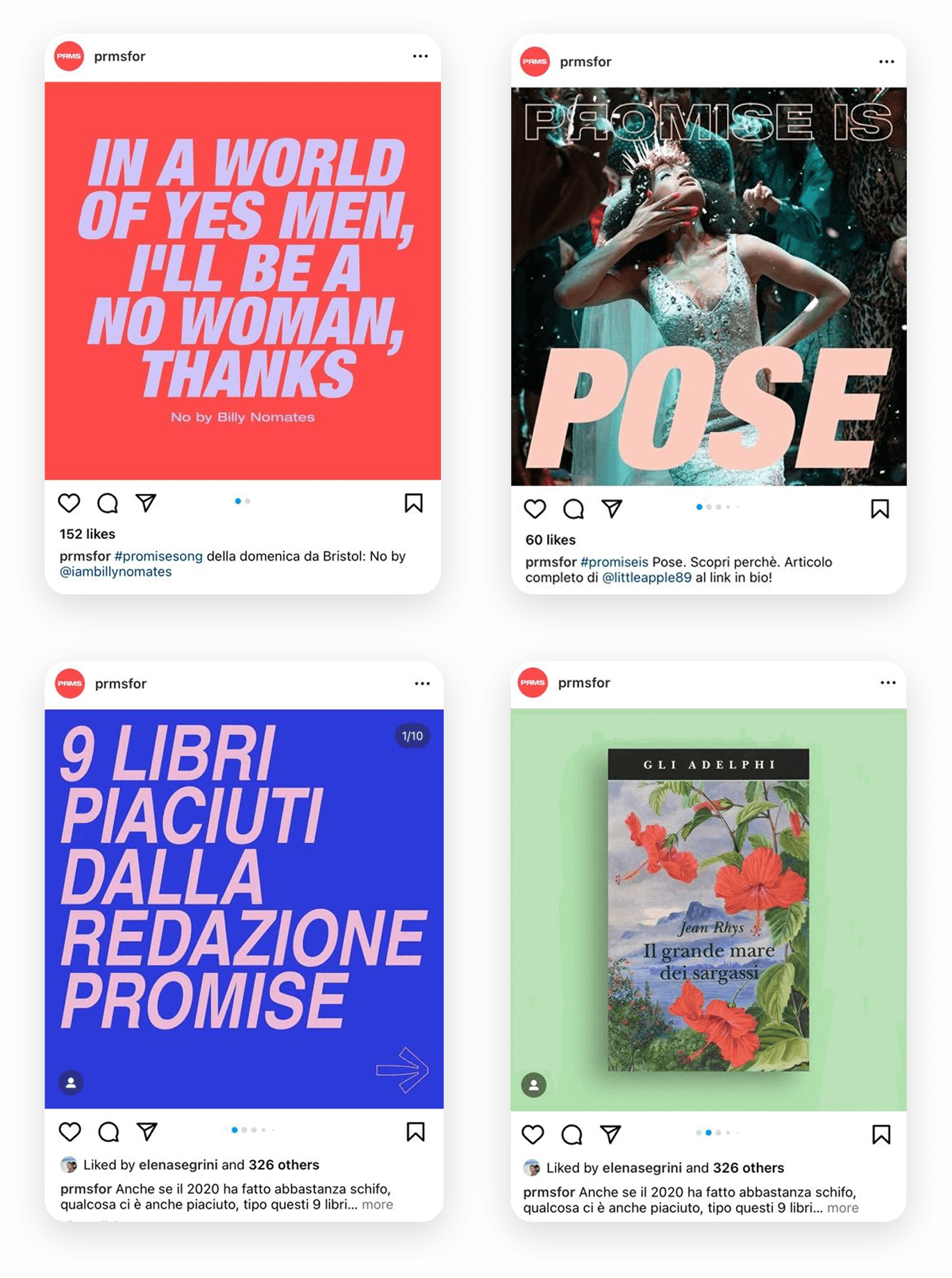
I built the organization’s marketing foundation from scratch. I created editorial calendars, launched social media channels, and developed a content strategy that helped define our audiences and shape how the organization showed up publicly. I worked closely with the founders to write and edit content, collect testimonials, and translate stories into messaging that felt human and consistent across web, social, email, and print. I also led efforts to expand reach across languages and markets by translating content into English and Spanish, making the work more accessible to a broader audience. As the primary copy lead, I helped define the voice and narrative of the organization while managing day-to-day content production until we were able to hire additional support. Alongside the storytelling work, I helped position the organization as credible and fundable by strengthening its public presence and applying for funding opportunities. This led to securing a €10,000 grant from the Ministry of Development, which helped support a physical space for events and allowed the team to hire creative support to scale content production. The increased visibility made it easier for more women to discover the program and participate in cultural and professional workshops. These initiatives helped connect participants with local chefs, artists, and community members, creating opportunities for collaboration, learning, and income generation. The funding also allowed the organization to create a safe, dedicated space where women could share their needs, attend events, and build support networks. Over time, the organization gained a clearer voice, stronger presence, and a more structured way to communicate its mission. Marketing shifted from something ad hoc to something intentional, helping the team grow their reach, strengthen credibility, and build a foundation for long-term impact.
This role shaped how I think about storytelling. It wasn’t just about visibility, it was about helping people be seen. By building structure around the narrative and creating consistent ways to share these stories, the organization was able to grow in both reach and trust, and more women were able to access the support and community they needed.
year
2019-2021
tools
Asana, Facebook Ads, Adobe Creative Suite
role
Digital Marketing Manager