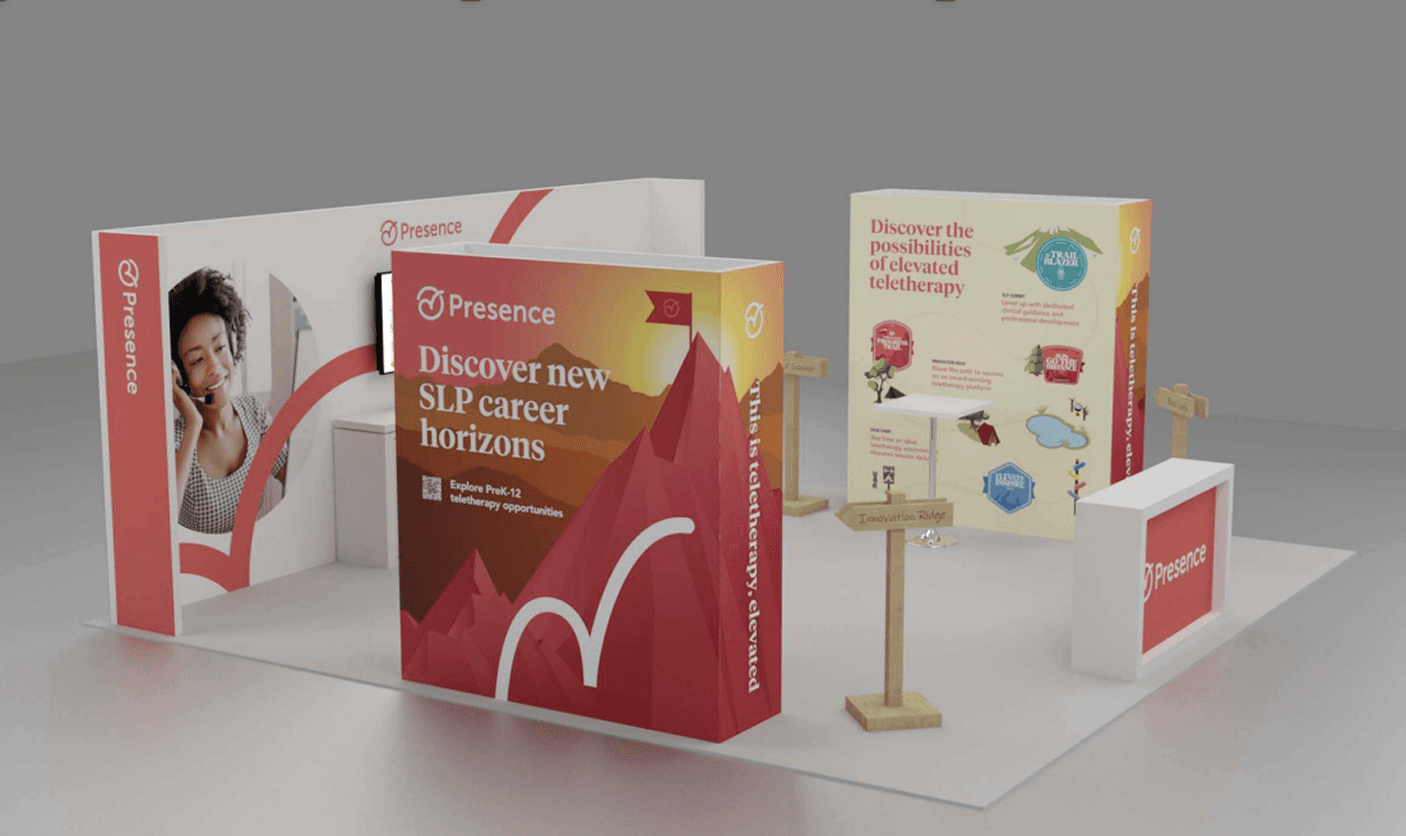
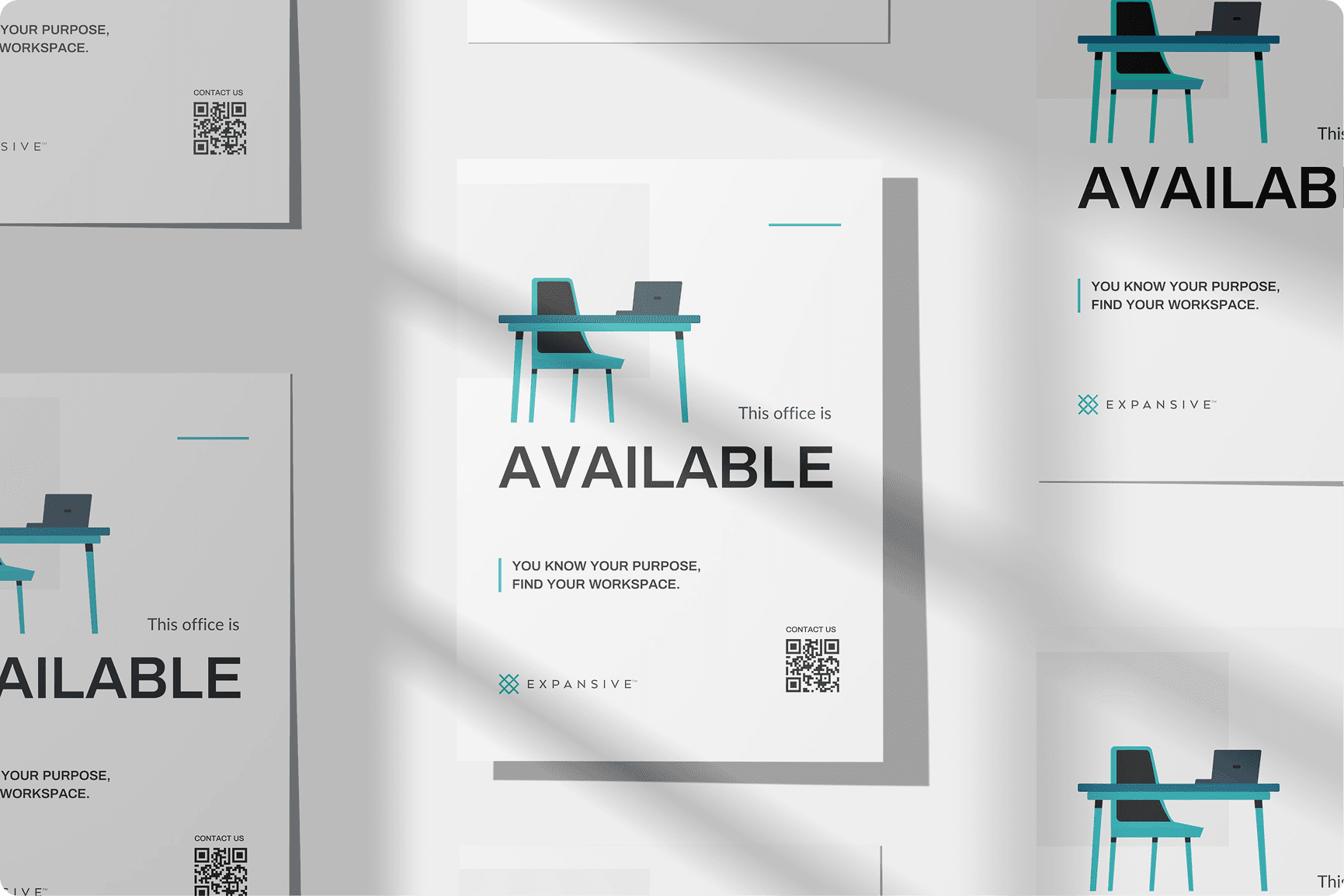
Presence
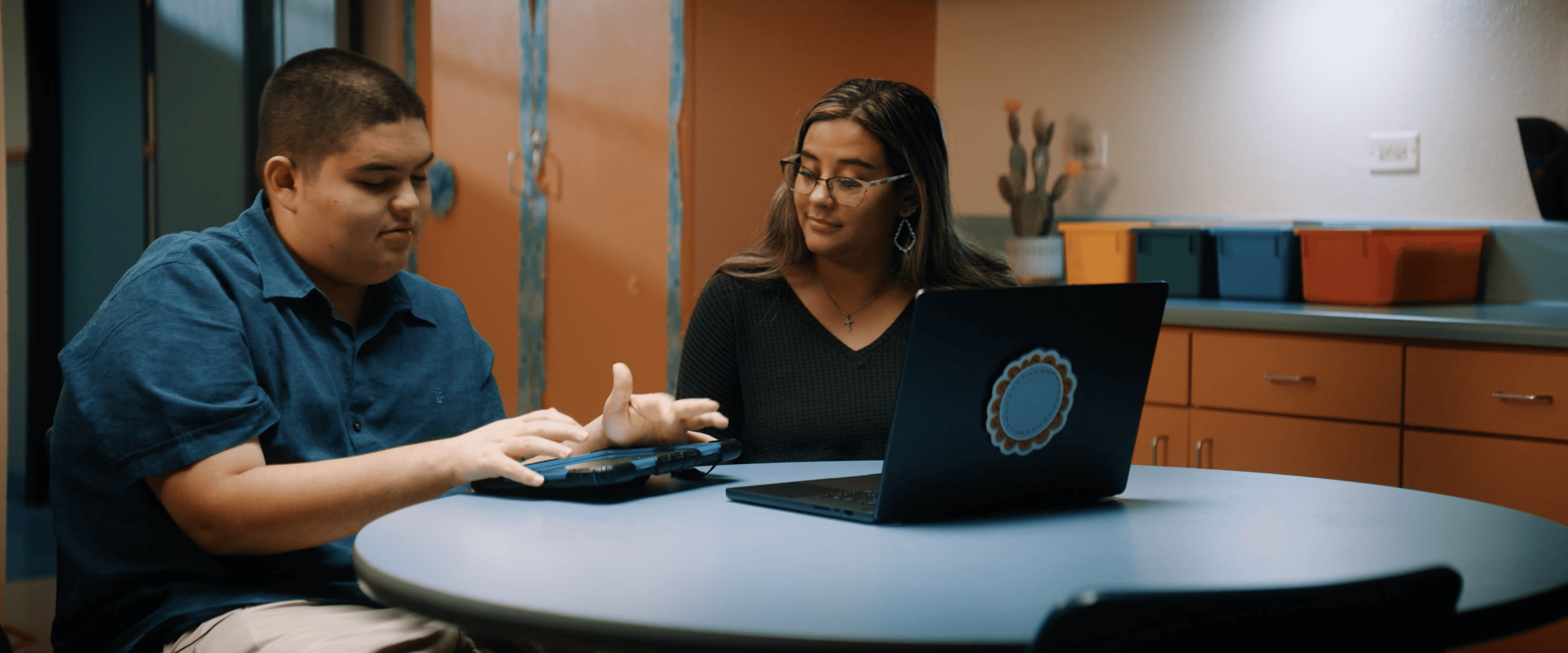
At Presence, we used creativity to empower educators and students, ensuring every learner receives the support they need to thrive
00
Problem
When I joined Presence, the creative team was small and demand for assets was growing quickly across marketing, sales, recruiting, and clinical teams. Requests were managed through Google Docs and informal channels, which worked at an earlier stage but made it harder to scale production and give teams visibility into how to request support, what assets already existed, and what the creative team could deliver.
Solution
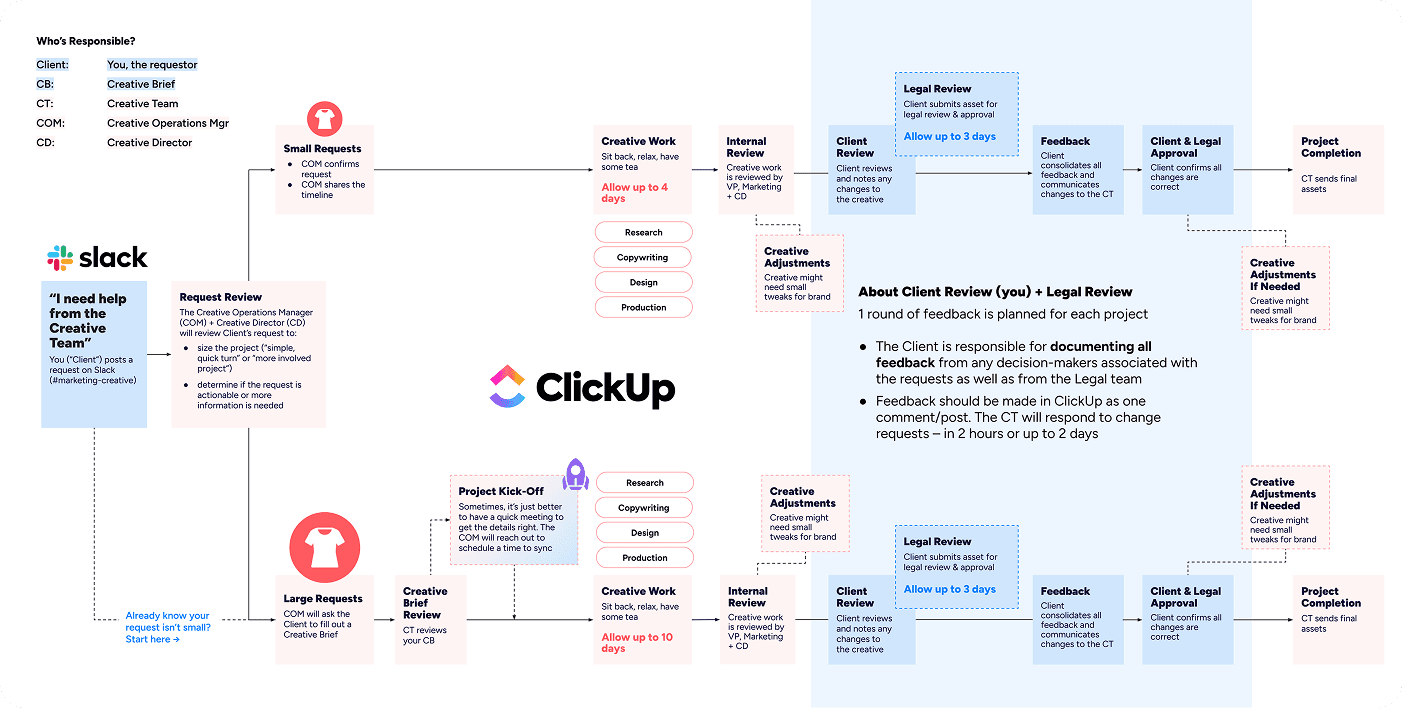
As the first Creative Operations Manager, I built a centralized intake and workflow system in ClickUp to make requesting creative assets more intuitive and transparent. I introduced guides, office hours, and a dedicated Slack channel to help non-marketing teams navigate the process and use the platform with confidence. I also streamlined the review cycle and later implemented a DAM system to improve how assets were stored, organized, and shared across teams. As adoption grew, more teams began using the system independently, helping scale output from 15–20 projects to around 60 assets per month across email, social, video, and print. Turnaround time dropped from 3–4 weeks to about 2 weeks for large projects and 48 hours for smaller requests. Quality and brand consistency improved, and the increase in demand supported expanding the creative team with several new roles.
Supporting a growing organization meant making creativity easier to access, scale, and trust across teams doing meaningful work in education
Beyond process: supporting people and quality
Mentoring and team support
I held weekly 1:1s with each team member and led team syncs focused on removing blockers, improving communication, and supporting growth. Sometimes this meant helping clarify stakeholder feedback, other times it meant encouraging professional development. Over time, confidence and satisfaction across the team noticeably increased.
Strengthening messaging and identifying opportunities
Through reviewing and approving creative work across projects, I became deeply familiar with our clinical areas and helped refine messaging for clarity and consistency. I also identified an opportunity to better serve parents after noticing strong engagement from that audience, which contributed to launching a new initiative offering evaluations directly to families.
Setting expectations and protecting team capacity
Introducing structure meant helping teams understand timelines, scope, and priorities. I regularly facilitated kickoff conversations to align on realistic expectations and encouraged stakeholders to plan ahead for large initiatives like conferences and seasonal campaigns. This created a healthier pace and fewer last-minute requests.
Helping teams clarify goals
Many stakeholders came in with ideas but needed help shaping the objective behind them. I often connected requests to broader campaigns or suggested ways a single asset could be used across multiple channels. In one case, a video series initially created for PR expanded into blog, social, email, and webinar content, significantly extending its value.
Connecting content to strategy
Each request was tied to a company goal or campaign, helping teams see how individual assets contributed to a larger narrative. This also made it easier to reuse existing content, reduce duplication, and improve visibility into what was already available.
Bridging teams and building trust
As the central point of contact, I helped translate feedback between creative and non-creative teams, making communication clearer and more productive. I also connected groups working toward similar goals, such as clinical and sales teams, which led to stronger collaboration and more effective use of real-world content.
year
2023-2025
tools
ClickUp, G-Drive, Figma, Adobe Creative Suite, DAM (Bynder)
role
Creative Operations Manager
01
01
01